- (828) 200-0826
- (828) 335 1950
- cuevaswnctreeservice@yahoo.com
- Otto, NC & Clayton, GA
- Monday to Friday 8:00 - 17:00
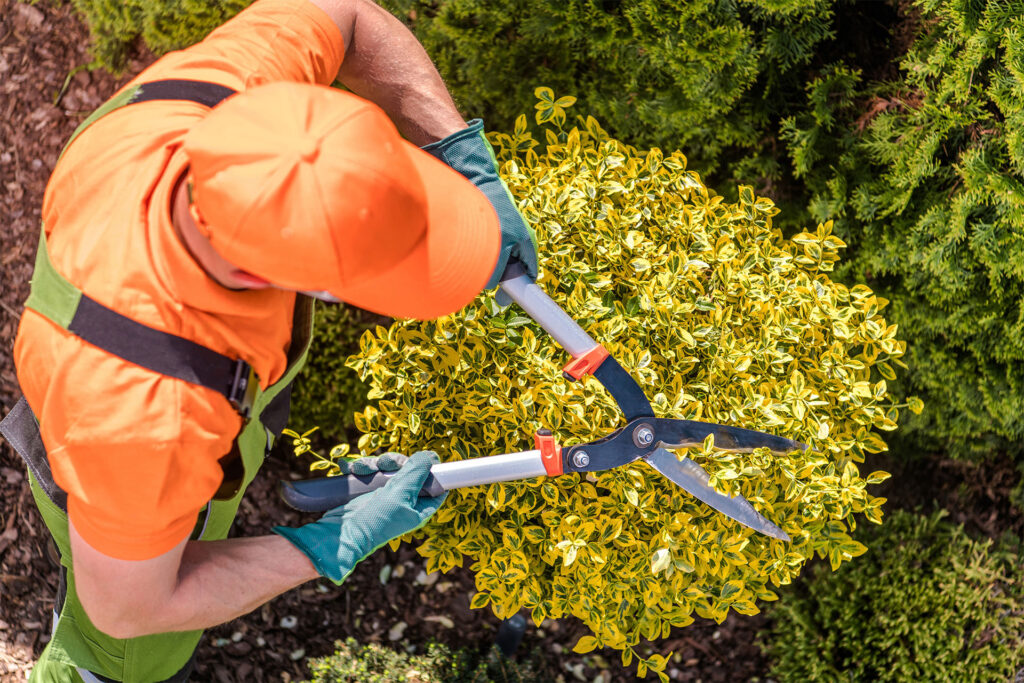
Keeping your trees trimmed is more than a matter of appearance. Proper pruning is essential for the health, safety, and long-term stability of your trees. Whether you own a residential property or manage a commercial space, routine maintenance can prevent costly damage, improve your landscape’s beauty, and keep your outdoor areas safe for everyone.
In this article, we’ll explain why tree pruning is so important and what risks you face when it’s neglected.
Regular pruning removes dead, diseased, or weak branches that drain energy from the tree. Without these “problem limbs,” the tree can redirect nutrients to healthy growth, developing a stronger structure and fuller canopy.
Diseases can spread quickly from one branch to the rest of the tree. Trimming affected limbs early protects the tree and helps stop infections before they become severe and irreversible.
Overgrown branches block sunlight and limit airflow through the canopy. Pruning opens up the tree, allowing more light and ventilation, which reduces moisture buildup and lowers the risk of fungal growth.
Pruning helps shape the tree, keeping it balanced, clean, and visually appealing. A well-maintained tree improves curb appeal and adds beauty and value to your property.
Weak or overextended branches are the first to break during high winds, heavy rain, or snow. Proper pruning strengthens the structure of the tree, making it more resilient in extreme weather.
While pruning can be done year-round, the best time generally depends on the type of tree and your local climate. In most cases:
Late winter to early spring is ideal for many species — trees are dormant and will heal quickly as they enter the growth season.
Late fall is also suitable for shaping and removing damaged limbs.
After storms, emergency trimming may be needed to remove hazardous branches.
If you are unsure, consulting a tree care professional ensures your trees get the right pruning at the right time.
Neglecting tree maintenance can lead to serious dangers and costly damage. Here’s what can happen if pruning is ignored:
Dead or weak branches eventually break and fall — sometimes without warning. They can damage roofs, cars, fences, or outdoor structures, and create safety hazards for people nearby.
Unpruned, heavy branches act like sails in the wind. They’re more likely to snap or pull the tree down during storms, creating a much higher risk of damage or injury.
Diseased or insect-infested branches spread problems throughout the tree. What begins as a small issue can quickly threaten the tree’s life if not treated through proper pruning.
Branches growing too close to utility lines can cause outages and dangerous situations. Professional pruning prevents these issues and keeps trees at a safe distance.
Overgrown trees block light and space, limiting the growth of grass, flowers, and shrubs below. Regular trimming keeps your entire landscape healthy and balanced.
Tree pruning isn’t just a landscaping task — it’s a key part of responsible property maintenance. By keeping your trees healthy, strong, and properly shaped, you protect your home, your family, and the investment you’ve made in your outdoor areas.
If you notice overgrown branches, dead limbs, or signs of disease, it may be time for a professional inspection. Proper tree care today prevents costly problems tomorrow.
We are highly trained and adhere to all current tree industry legislation with over 15 years of experience in all tree care related matters.
We have the tree surgery expertise you need. Our extensive knowledge of tree care is what you’re looking for. If you want a tree surgeon you can trust, we’re ready to help. Our excellent service is available for less than you think.